Can Kratom Provide Natural Relief for Chronic Back Pain?
If you've ever thrown your back out brushing your teeth or felt betrayed by a chair you've sat in a thousand times, welcome to the chronic back pain club. It has a sneaky way of turning everyday life into an obstacle course and making concentration slip through your fingers.
When relief is hard to find, you may start looking into natural options that support comfort and mobility. Kratom often pops up in these conversations because many users say it helps them manage discomfort and maintain a sense of balance throughout the day. Experiences vary, but kratom's unique profile has made it a plant worth getting to know for people seeking complementary support on their pain-management journey.
But kratom is not a medical treatment, nor is it a replacement for guidance from a healthcare professional. Instead, think of it as a plant-based botanical that some people use to support general well-being, motivation, relaxation, or relief from everyday tension.
If chronic back aches have you curious about kratom for pain, understanding the basics first can help you decide whether it deserves a spot in your broader pain-management toolbox.
How Kratom Works in the Body
Kratom comes from the Mitragyna speciosa tree, a tropical plant originally from Southeast Asia. The active alkaloids in kratom, namely mitragynine and 7-hydroxymitragynine, interact with receptors in your body that are linked to mood, energy, and comfort. Because of these interactions, some people find that kratom helps them feel more at ease, especially when dealing with ongoing discomfort like lower back tension.
Users report that each strain offers different effects. They're like different settings on the same device. For example, red vein kratom is typically used for relaxation and physical ease, green vein kratom offers a moderate balance between focus and relief, and white vein kratom is usually chosen for energy and alertness. If chronic back pain makes your daily tasks more difficult, the calming qualities of red and green strains are often what users gravitate toward.
The way kratom affects you depends on your body chemistry, serving size, and strain. Smaller servings may support energy and clarity, while moderate servings are more commonly associated with relief and relaxation. Finding the right balance can feel a bit like tuning an old radio; it's the small adjustments that can make a noticeable difference.
Why People Consider Kratom for Chronic Back Pain
Back pain is one of the most common types of chronic discomfort. It can stem from muscle strain, inflammation, poor posture, stress, or long-term conditions that affect the spine or joints. Kratom may appeal to you if you're looking for a plant-based option that supports both comfort and daily function.
Many kratom users report that certain strains help them:
- Feel more relaxed physically
- Manage long workdays with less tension
- Stay focused without being overwhelmed by discomfort
These experiences are subjective, but they highlight why kratom shows up in discussions about pain management. When your back pain affects your mood or energy level, kratom's calming and mood-supporting effects may help you stay grounded and productive throughout the day.
Because kratom offers different effects depending on the strain, people with chronic back pain often experiment with red or green varieties. Red strains are favored for their soothing qualities, while green strains deliver a gentler sense of ease without making you feel too sedated. Your personal preferences and daily routine will guide you on what works best.
Choosing the Right Kratom Form for Back Pain Support
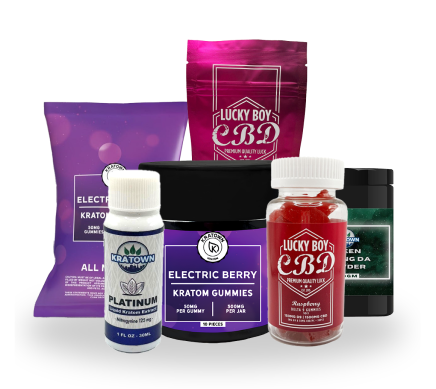
If you're thinking about trying kratom for chronic back pain, choosing a form that fits your lifestyle can make the whole experience feel less like a chore and more like a routine you can actually stick with. The two most common types are powder and capsules, but some users use kratom gummies for pain. Each has its own advantages depending on your needs and daily rhythm.
Powder offers flexibility in serving size and typically activates more quickly when taken with a liquid. Some users prefer this when they want quick support. Capsules, on the other hand, offer convenience and consistency. They make it easier to take kratom discreetly, especially if you're at work or traveling.
There are also kratom extracts, which are more concentrated. These are used by experienced users who understand their tolerance and want a stronger effect in a smaller serving. For chronic back pain, sticking with powder or capsules is usually a more manageable starting point while you learn how your body responds.
Whatever form you choose, consistency is key. Your body likes patterns more than surprises. Understanding how your body responds and adjusting accordingly helps you find the balance that supports your comfort without throwing your whole day off track.
Responsible Use and Safety Considerations
If you decide to explore kratom, use it responsibly, especially when back pain influences your decision-making. Start with a small serving and increase gradually only if needed. This helps you understand how your body reacts and prevents taking too much at once before you know where your comfort zone is.
Keep these common-sense guidelines in mind:
- Avoid mixing kratom with alcohol or sedatives
- Stick to one strain at a time when you're first starting
- Use kratom only when you can monitor how it affects you
Quality matters, too. Choosing lab-tested kratom from reputable vendors ensures you're getting a clean, consistent product free from contaminants or adulterants. Poor-quality kratom can produce unpredictable results, which is the last thing you want when managing chronic discomfort. Reliable testing gives you peace of mind and a more predictable experience.
If you're taking medications or have underlying health conditions, consult with a healthcare professional before adding kratom to your routine. Chronic back pain rarely has just one cause, and support works best when it's layered and thoughtful.
Complementary Practices to Support Back Relief
While kratom may provide support, it tends to shine brightest when it's not doing all the heavy lifting alone. Practices such as daily stretching, low-impact exercise, heat therapy, posture awareness, and stress management serve as quiet reinforcements, making a meaningful difference in how you feel day-to-day.
You can also explore supportive habits like:
- Taking regular movement breaks during work
- Using ergonomic seating or lumbar cushions
- Strengthening your core muscles through gentle conditioning
These actions help reduce tension and improve long-term comfort. Kratom may help you feel better in the moment, like a helpful nudge in the right direction, but strengthening your physical habits lays a foundation that extends far beyond temporary relief.
Finding Balance with Kratom
Chronic back pain can create obstacles in your daily life, but natural approaches like kratom may offer support as part of a broader comfort routine. When you choose a responsible serving, select the right strain, and pair kratom with healthy habits, you give yourself a fuller toolbox for managing discomfort each day.
Kratom is not a cure for chronic back pain, but many users find that it helps them feel more balanced, more focused, and more comfortable. If you're curious about trying it, take your time, listen to your body, and prioritize quality and safety at every step. With mindful use, kratom can become a helpful companion to your wellness path as you work toward a steadier, more comfortable daily life.